
The Custom Wedding Dress Fitting Process: An Artisan’s Guide to Bespoke Luxury
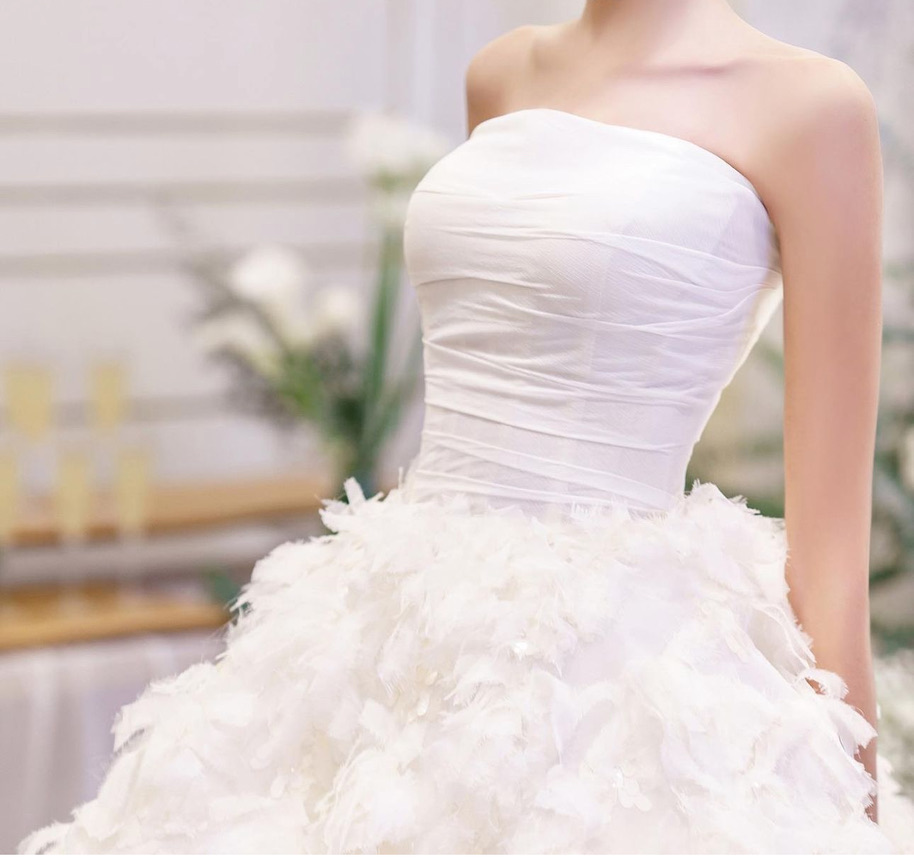
A custom fitting is not a series of minor adjustments; it’s a collaborative evolution where an artistic vision transforms into a structural masterpiece. For many brides planning a 2026 wedding, the distinction between standard alterations and the custom wedding dress fitting process remains a source of quiet anxiety. You might worry that the final gown won’t mirror the original sketch or that the ten-month timeline feels like a mysterious black box. It’s natural to feel protective of your vision when the stakes are this high.
We believe that you deserve more than just a dress that fits. You deserve a garment that feels like an extension of your identity. This guide explores the meticulous path of creating a bespoke gown, moving directly from the initial sketch to technical production. We’ll detail how we use internal elements like our signature inner corset and luxurious Mikado silk to ensure an incomparable fit. By outlining the specific milestones of our ten-month build, we provide the clarity you need to trust the artistry. You’ll discover how technical precision and high-fashion design converge to create a silhouette that is uniquely yours.
Key Takeaways
- Understand why the bespoke journey moves directly from an artistic sketch to technical production, bypassing temporary mock-ups for a more precise and efficient build.
- Plan for the essential 10-month timeline required for custom gowns, a duration that ensures every structural detail meets the highest standards of artisanal excellence.
- Navigate the custom wedding dress fitting process by focusing on internal architecture, including the signature inner corset and the unique behavior of luxury fabrics like Mikado silk.
- Prepare for your technical sessions by selecting your wedding shoes and seamless undergarments early, as these are non-negotiable for determining hemline and silhouette accuracy.
- Learn how to collaborate with an expert designer in Denver or New York City to translate your personal style into a sophisticated, high-fashion reality.
Understanding the Bespoke Fitting Philosophy
A standard alteration focuses on making an existing garment smaller or shorter. In contrast, the Bespoke tailoring approach used at Guillermo Pharis is a comprehensive architectural build from the ground up. The designer acts as both a visionary artist and a technical engineer, drafting a unique pattern for every client based on their specific proportions. This distinction is vital for your expectations. While retail fittings are reactive, the custom wedding dress fitting process is proactive; it’s a deliberate study of the intersection between sculptural silhouette and fluid movement. Seeing a flat sketch manifest into luxury fabric is a profound emotional milestone. It marks the transition from imagination to a physical masterpiece that carries the weight of your personal narrative.
The Visionary Consultation
Your initial session is more than a discussion of aesthetics. It’s where personal style is translated into a technical design blueprint. Whether you lean toward the clean lines of minimalist Mikado or the romantic depth of intricate Chantilly lace, we identify the core aesthetic early to ensure the internal structure supports the visual goal. This blueprint serves as the map for our 10-month production cycle. The foundation of every gown begins with the inner corset. This signature structural element isn’t an afterthought or a separate accessory. It’s the primary engine that dictates how the exterior fabric will drape, move, and stay secure against your body throughout the wedding day. Precision at this stage is paramount for a successful build.
Fabric Selection and Structural Integrity
Choosing the right textile is a decision of both beauty and physics. We evaluate materials like silk duchess satin, jacquard, and Mikado based on how they hold a specific silhouette. For a sharp, architectural basque waist, Mikado provides the necessary weight and crispness. For those visiting our Denver or NYC showrooms, this tactile phase is where the gown’s soul is defined through fabric behavior and light reflection.
- Internal Boning: We use high-grade boning to create a secure, sculpted fit that supports the gown’s weight without restricting your mobility or breath.
- Seam Allowance: High-end construction requires generous seam allowances. This provides the necessary “insurance” for technical adjustments during the build without compromising the fabric’s integrity.
- Structural Design: By moving directly from sketch to production, we ensure the integrity of the original vision remains uncompromised by the limitations of generic templates.
The custom wedding dress fitting process relies on these hidden internal details. They’re the invisible artisans of your gown, ensuring that the final product is as structurally sound as it is visually stunning. Every stitch serves a purpose. The result is a garment that feels as secure as it looks, allowing you to move with refined confidence. Luxury is found in these hidden layers, where craftsmanship meets comfort.
The Evolution of a Gown: From Sketch to Production
The Guillermo Pharis approach to design is defined by a rigorous commitment to artisan production. Unlike many bridal houses that rely on cotton toiles or temporary mock-ups, our process moves directly from the artistic sketch to the final luxury textile. This direct-to-fabric method requires a master’s understanding of how materials like Mikado or silk duchess satin behave under tension. It eliminates the guesswork found in mass-market construction. Bridging the gap between a two-dimensional drawing and a three-dimensional form is a feat of engineering, particularly when incorporating 2026 trends like architectural basque waists and sculptural draping. While a standard wedding dress fitting timeline might suggest multiple stages of trial and error, our precision-first workflow ensures the gown’s integrity from the very first stitch.
The Technical Drafting Stage
Technical drafting is the silent foundation of the custom wedding dress fitting process. We create a bespoke pattern based on your precise individual measurements, accounting for the unique geometry of your frame. This is where we integrate complex structural elements like the basque waist, a silhouette gaining significant traction for 2026. The drafting must also respect the grain line of the fabric. Aligning the grain correctly ensures that the gown moves with you rather than against you, preventing unsightly pulling or bunching. It’s a meticulous phase that transforms a creative vision into a wearable reality.
Internal Architecture: The Inner Corset
The most critical milestone in your fitting journey is the perfection of the internal architecture. The inner corset serves as the hidden engine of a luxury gown, providing the structural support necessary to maintain a sculpted silhouette without external fasteners. Achieving this requires a delicate balance between rigidity and comfort. We use professional-grade boning, placed with anatomical precision, to provide lift and security. This internal system allows the outer fabric to appear effortless and light, regardless of the gown’s actual weight. If you’re ready to see how this level of craftsmanship can elevate your wedding day look, you might consider scheduling a private consultation at one of our showrooms.
The custom wedding dress fitting process relies on this internal integrity. By focusing on the “bones” of the garment before the final aesthetic flourishes, we ensure a fit that is both incomparable and enduring. Every adjustment made during this stage is technical, ensuring that the final result mirrors the original sketch with absolute fidelity. This is the hallmark of true bespoke luxury.
The Fitting Timeline: Custom vs. Made-to-Order
Distinguishing between bespoke creation and collection tailoring is essential for your 2026 wedding planning. While generic bridal advice often suggests a three-fitting schedule, the authentic custom wedding dress fitting process at our atelier requires a ten-month commitment. This duration isn’t a mere suggestion; it’s a technical necessity. It accounts for the meticulous hand-construction and the specific lead times of global luxury textiles. Understanding these distinctions helps you align your expectations with the reality of high-fashion production.
The Custom Milestones (10 Months)
A ten-month timeline allows for a methodical evolution from sketch to final technical fitting. We begin with comprehensive measurements and a structural foundation assessment. This phase ensures the internal architecture aligns with your frame from the very first cut of the fabric. Because we move directly to production, these early sessions are vital for establishing the gown’s core. We don’t use temporary mock-ups; every decision carries the weight of the final garment.
The primary fitting focuses almost exclusively on the bodice and internal support. We verify the tension of the inner corset and the placement of boning to ensure absolute security. Finally, the refinement stage allows us to finalize the hemline and the precise placement of delicate appliqué. This stage requires your wedding shoes to be present, ensuring the drape of the skirt is mathematically perfect. Patience during this ten-month journey is a prerequisite for a garment that fits like a second skin.
The Made-to-Order Refinement (4-6 Months)
For brides selecting from our new 2026 collection, the timeline is condensed to a four to six-month window. This process begins by selecting a base size from our seasonal designs that most closely aligns with your proportions. We then tailor the gown to your frame, ensuring that design elements like a basque waist or architectural draping are positioned correctly for your height.
Finalizing the bustle and making mobility adjustments are the concluding steps in this journey. If you’ve purchased your gown at our showroom, we provide a dedicated three-month alteration period to polish these details. Each gown requires an individual assessment to ensure that movement and comfort are never sacrificed for style. This structured approach ensures that whether you choose a fully bespoke gown or a collection piece, the fit remains incomparable and the process remains transparent.
Preparation for Precision: Essential Fitting Requirements
Preparation for a bespoke fitting is a technical endeavor that requires your active participation. Achieving the incomparable fit promised by the custom wedding dress fitting process depends on the stability of certain variables. Because we bypass the use of mock-ups, every measurement taken during your technical sessions is applied directly to the final luxury fabric. This leaves little room for ambiguity. Maintaining consistent body measurements throughout the ten-month production cycle is the most effective way to ensure the structural integrity of the gown remains uncompromised. Stability in your frame allows our artisans to focus on the fine nuances of the silhouette rather than reactive adjustments.
The Foundation: Shoes and Undergarments
The role of your wedding shoes is non-negotiable. While generic advice might suggest bringing something similar to your final heel, we require the exact pair you intend to wear by the first technical fitting. The hemline of a bespoke gown is calculated to the millimeter. Even a quarter-inch difference can disrupt the intended drape of Mikado silk or silk duchess satin. Establishing the heel height early ensures the relationship between the skirt and the floor is mathematically perfect.
Undergarments play a similarly critical role in the custom wedding dress fitting process. Because our gowns feature a signature inner corset and integrated boning, the garment itself provides the primary support. We recommend selecting seamless, neutral undergarments that do not interfere with the internal architecture of the bodice. It’s vital to wear the same set of undergarments to every session to maintain a consistent baseline for adjustments. Consistency here prevents the subtle shifting of the bust line or waist placement during the build.
Assessing Mobility and Comfort
A luxury gown must be as functional as it is beautiful. We conduct specific mobility tests to ensure you can navigate your wedding day with refined confidence. The sit test is particularly important for gowns featuring a basque waist or a highly structured bodice. We verify that the internal boning stays secure and comfortable when you’re seated, ensuring the structure doesn’t dig into the torso. Every bespoke gown undergoes a rigorous mobility assessment to ensure the bride can move with grace and ease.
We also test the bustle for weight distribution and aesthetic flow. This ensures the train can be secured without pulling on the seam allowance or distorting the gown’s silhouette during the reception. If you’re ready to begin this meticulous journey toward a perfectly engineered gown, you can schedule a private appointment at our Denver or NYC showroom. These technical requirements are the silent partners of our craftsmanship, ensuring the final result is as comfortable as it is stunning.
The Guillermo Pharis Atelier Experience in Denver and NYC
The showrooms in Denver and New York City serve as the exclusive backdrop for your transformation. These aren’t standard retail spaces; they are high-end ateliers designed for precision and privacy. The custom wedding dress fitting process requires an environment where technical nuances can be addressed without distraction. Choosing a bespoke gown means collaborating with a designer who understands the complex relationship between fabric weight and skeletal support. It’s about moving beyond generic trends to create a silhouette that reflects your personal aesthetic with absolute clarity. This focused atmosphere ensures that every technical requirement is met with artisanal poise.
A Dedicated Partnership
Every gown begins with a shared vision. You receive personalized attention from Guillermo Pharis throughout the entire ten-month evolution of your garment. By scheduling a boutique appointment, you enter a private consultation where your measurements and style preferences are the sole focus. This commitment to individuality ensures that no two custom gowns are alike. We don’t rely on mass-produced templates. Instead, we draft a unique pattern for your frame, ensuring the inner corset and exterior drape are harmonized. This level of partnership is what defines true luxury. It’s a collaborative journey where your input and our expertise merge into a single, cohesive design. To continue this theme of bespoke elegance across all aspects of your celebration, you might explore custom gift options from The Wrapped Parcel for your bridesmaids or family.
The final technical fitting is the culmination of months of artisanal labor. This session is a celebration of craftsmanship and the successful realization of the original sketch. We perform rigorous quality control checks before the gown leaves the atelier, verifying every seam allowance and appliqué placement. It’s the moment where the internal architecture and the external beauty finally merge. You’ll walk away with a garment that has been engineered specifically for your proportions, providing the security needed to move with grace. Confidence comes from knowing the fit is incomparable. To ensure every detail of your appearance is equally refined, BOS Jewelers Inc provides the type of high-quality gold and diamond jewelry that perfectly accents a custom-tailored masterpiece.
Initiating your journey is a deliberate step. It begins with a formal inquiry and moves quickly into the first set of technical measurements. Because our custom builds require ten months of lead time, early engagement is essential for 2026 brides. This methodical approach ensures that every detail, from the choice of Mikado silk to the final bustle adjustment, is executed with excellence. The custom wedding dress fitting process is a path toward a perfectly tailored reality. Your wedding day silhouette starts here, in an environment dedicated to the art of the fit.
The transition from a two-dimensional sketch to a three-dimensional masterpiece is a journey defined by technical precision and creative collaboration. By respecting the ten-month timeline and prioritizing internal architecture like the signature inner corset, you ensure your gown is as structurally sound as it is visually breathtaking. The custom wedding dress fitting process is not merely about adjustments; it’s the methodical creation of a garment engineered specifically for your frame. Whether you’re visiting our artisan showrooms in Denver or New York City, you’re entering a dedicated environment where luxury silks and expert craftsmanship converge.
Preparation remains the silent partner of this success. Arriving with your exact wedding shoes and seamless undergarments allows our specialists to finalize hemlines and silhouettes with mathematical accuracy. This level of detail guarantees that you can move with refined confidence on your wedding day. We invite you to begin this exclusive creative partnership by taking the first step toward your bespoke silhouette.
Request a Custom Gown Consultation to discuss your vision with Guillermo Pharis and discover the incomparable fit of a gown designed solely for you. We look forward to crafting a piece that reflects your unique identity.
Frequently Asked Questions
How long does the custom wedding dress fitting process take?
The custom wedding dress fitting process spans ten months to ensure every technical detail is executed with excellence. This duration allows for the meticulous hand-construction of the gown and the sourcing of premium materials. You’ll move through several milestones, beginning with precise measurements and ending with a final technical review. This structured timeline prevents the frantic energy of mass-market retail; it ensures your gown is ready for your 2026 celebration.
Can I change the design of my custom gown during the fitting process?
While minor refinements to appliqué placement or hemline are part of the evolution, the core structural design is finalized during your initial consultation. Because our atelier moves directly from sketch to production, the pattern is drafted for your specific measurements from the start. Major design changes during the fitting phase can compromise the structural integrity of the inner corset and the behavior of luxury fabrics like Mikado silk. We prioritize early collaboration to secure your vision.
What should I bring to my first custom gown fitting?
You must bring the exact shoes you intend to wear on your wedding day to every session. The heel height is essential for determining the precise hemline and the overall drape of the skirt. Additionally, we require you to wear the seamless undergarments you’ve selected for the event. Consistent footwear and foundation pieces allow our artisans to maintain a stable baseline for every adjustment, ensuring the final fit is mathematically perfect.
Why do custom wedding dresses require a 10-month lead time?
A ten-month lead time is required to accommodate the artisanal nature of bespoke construction and the sourcing of global luxury textiles. We use high-end materials like silk duchess satin and Chantilly lace; these often have specific production schedules. This window also allows for the careful drafting of your unique pattern and the integration of complex internal boning. Excellence cannot be rushed; this duration ensures your gown meets our rigorous standards of quality.
Are alterations included in the cost of a custom-made gown?
Alterations are a separate technical service and aren’t included in the initial cost of the gown build. We provide a dedicated three-month alteration period exclusively for brides who’ve purchased their gowns at a Guillermo Pharis showroom. Each gown requires an individual assessment to address fine nuances of fit and mobility. This ensures that the final garment remains a masterpiece of engineering, tailored specifically to your proportions and comfort requirements.
How many fittings will I need for a bespoke wedding dress?
Most brides require three to four technical sessions during the custom wedding dress fitting process. The initial session focuses on the structural foundation and the inner corset. Subsequent sessions address the bodice tension, hemline accuracy, and the placement of decorative elements like appliqué. Each session is a focused technical review rather than a casual try-on. This methodical progression ensures that every stitch serves a purpose, leading to an incomparable final result.
What is an inner corset and why is it important for my fit?
An inner corset is a built-in structural system that serves as the hidden engine of your gown. It utilizes professional-grade boning to provide lift, security, and a sculpted silhouette without the need for external fasteners. This internal architecture is vital for supporting the weight of luxury fabrics like Mikado silk. It allows the outer layers of the dress to appear effortless and light while providing you with the stability needed to move with confidence.
Do I need to have my wedding shoes before my first fitting?
Yes, having your wedding shoes for the first technical session is non-negotiable. We calculate the hemline and the relationship between the skirt and the floor to the millimeter. Even a minor change in heel height can disrupt the intended movement of the fabric and the aesthetic flow of the train. By establishing your height early, we ensure the gown’s proportions remain balanced and the drape of the skirt is flawless.