
Bridal Designers: A Sophisticated Guide to Choosing Your Wedding Visionary
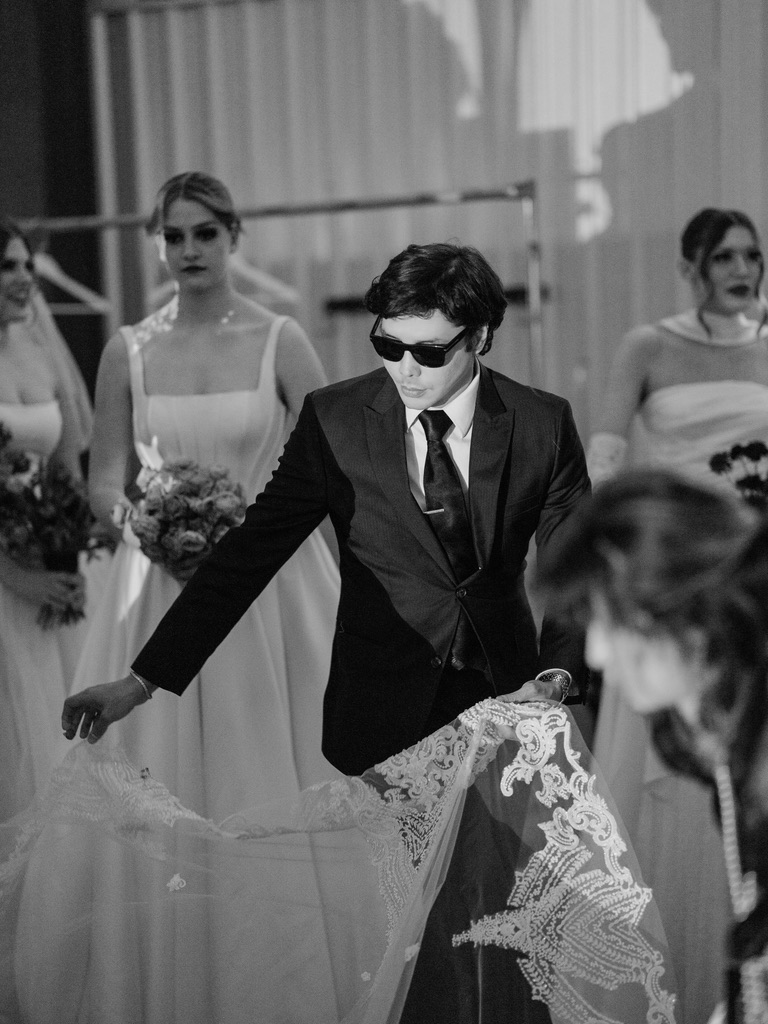
Your wedding gown is the most significant piece of art you will ever wear. It should be a profound reflection of your identity, yet many brides find themselves lost in the frantic energy of mass-market retail. You don’t want to feel like just another appointment on a crowded calendar. When the line between commercial labels and true bridal designers begins to blur, the fear of choosing a gown that lacks authentic craftsmanship is real. You deserve more than a label; you deserve a visionary.
Finding the right designer is about more than selecting a silhouette. It’s about discovering an artistic partner who translates your essence into silk and lace. This guide will show you how to identify the artisanal expertise and aesthetic signature that will define your celebration. We will explore how to evaluate a designer’s creative language and why booking a high-end consultation is the essential first step toward a bespoke masterpiece. Quality is a quiet confidence. Let’s find yours.
Key Takeaways
- Distinguish between mass-market labels and visionary bridal designers to ensure your gown carries a unique artistic soul.
- Explore the meticulous couture process, where sketches and architectural prototyping by elite bridal designers transform a concept into a wearable masterpiece.
- Learn to identify specific designer signatures, such as basque waists or innovative fabric manipulation, to find an aesthetic that resonates with your personal style.
- Gain confidence in the collaborative journey of commissioning a custom-made gown by learning how to articulate your vision within a high-end atelier.
- Discover the value of a personalized experience that blends global high-fashion authority with the intimate care of a dedicated bridal studio.
Defining the Role of Modern Bridal Designers in Your Wedding Journey
A wedding gown is a singular garment. It carries the weight of tradition and the spark of future promise. While the history of the wedding dress is steeped in cultural symbolism, the modern era has introduced a definitive fork in the road for the discerning bride. You must choose between a commercial label and a visionary designer. One offers a mass-produced product; the other offers a distinct perspective. This choice defines the atmosphere of your entire celebration.
In 2026, the bridal industry is witnessing a shift toward artisanal, slow-fashion principles. Brides are moving away from the frantic, industrial pace of mass retail to seek the “soul” of a gown. This soul is born from a designer’s specific philosophy. It dictates whether a dress is merely assembled or truly composed. A designer’s background, whether rooted in the architectural rigor of New York City or the ethereal landscapes of the West, informs every choice of heavy crepe or delicate organza. These bridal designers act as modern-day alchemists. They turn raw silk into a narrative of personal style.
The Difference Between Designer Labels and Artisan Ateliers
The scale of production defines your experience. Mass-market labels prioritize volume, often sacrificing the nuance of fit for the efficiency of the machine. In contrast, an artisan atelier operates on a human scale. This intimacy allows for direct access to the creative source. When you seek custom-made gowns, you aren’t just buying a dress. You’re entering a dialogue. Quality control isn’t a checklist in a distant factory; it’s the designer’s own eye ensuring every stitch aligns with their rigorous standards. It’s a commitment to excellence that machines cannot replicate.
Why Your Choice of Designer Shapes Your Wedding Aesthetic
Your designer is the creative director of your bridal look. Their aesthetic signature creates a ripple effect throughout your wedding planning. It influences your choice of cathedral-length veils, the texture of your bouquet, the grandeur of your venue, and even the selection of refined accessories—for example, you might check out Lalage Beaumont to find handcrafted handbags that complement a sophisticated bridal aesthetic. Aligning with a designer’s stance ensures your look is cohesive. Choosing between different bridal designers is the first step in defining your wedding’s visual language. A singular, strong vision simplifies every subsequent decision. It provides a stylistic anchor. This alignment makes the complex process of wedding styling feel effortlessly, intentional, and deeply personal.
The Couture Process: How Elite Bridal Designers Craft a Gown
The birth of a couture gown begins long before a needle touches fabric. It starts with an intimate dialogue between a designer’s vision and the evolution of wedding fashion. Elite bridal designers use sketches and mood boards to capture an ephemeral mood, translating abstract inspiration into a tangible blueprint. This conceptual phase is the foundation of the gown’s soul. It’s where the architectural intent is born. Every line on the page represents a future movement on the aisle.
Once the sketch is finalized, the process moves into prototyping. This involves creating a “toile,” a mock-up usually made from cotton muslin. This step ensures the architectural integrity of the silhouette before the final luxury fabrics are ever cut. It’s a rigorous stage of refinement. Every curve is adjusted to the millimeter. Every seam is scrutinized for its impact on the drape. This level of precision is why high-end bridal designers are master artisans rather than mere manufacturers. They build a garment from the inside out.
The final mark of luxury is found in the hand-finishing. This includes the delicate application of 3D floral appliques or the invisible stitching of a French seam. It’s the meticulous work that happens in the quiet of an atelier. These details are often felt rather than seen. They provide the comfort and confidence that only a bespoke wedding dress can offer. True luxury is intentional.
Materiality: Selecting Luxury Fabrics Like Mikado and Silk
Fabric is the primary language of design. Designers favor the substantial weight and subtle sheen of Mikado for gowns that require sharp, architectural structure and dramatic volume. High-grade silk and delicate laces offer a sensory experience that mass-market alternatives simply cannot match. The specific weight and weave of a fabric dictate how a gown moves with the body and how it will be preserved as a legacy piece.
The Evolution of a 2026 Collection
Fashion is a forward-looking art. Designers must forecast trends years in advance, balancing modern high-fashion influences with the timeless elegance brides crave. For 2026, we’re seeing a sophisticated resurgence of dropped waists and daring high-low hems that challenge traditional silhouettes. You can see these elements come to life in the Guillermo Pharis Fall/Winter 2026 collection, where innovation meets heritage. If you feel inspired by these artistic developments, consider scheduling one of our boutique appointments to see the craftsmanship in person.
Identifying Designer Signatures: Finding an Aesthetic That Speaks to You
Understanding the “hand” of a designer is the key to moving beyond mere retail browsing. It is a stylistic fingerprint. Elite bridal designers develop a consistent visual vocabulary that transcends a single collection. You see it in the way they manipulate texture, perhaps favoring the tactile richness of jacquard or the ethereal shimmer of glitter tulle. This consistency provides a sense of security. It ensures that your gown isn’t just a trend, but a curated piece of art. Industry authorities like The Bridal Council emphasize that these signatures are what separate high-fashion visionaries from mass-market labels.
Spotting these signatures requires a discerning eye. Look for recurring construction techniques. A designer might have a penchant for the regal, elongated line of a Basque waist. Another might favor the architectural playfulness of tiered hems. These aren’t just decorative choices. They are technical signatures that define how the dress interacts with space and light. When you evaluate a portfolio, look for a cohesive silhouette. This reliability is essential when commissioning custom-made gowns, as it guarantees the designer’s fundamental aesthetic will remain intact throughout the bespoke process.
Classic vs. Contemporary Designer Archetypes
Most designers fall into specific archetypes. The Romantic Artisan uses lace and soft movement to create an ethereal, dreamlike quality. In contrast, the Modern Architect prioritizes clean lines and heavy silks to build bold, structured statements. Then there is the Avant-Garde Visionary. They push boundaries with non-traditional silhouettes that challenge the status quo. Identifying which archetype resonates with your identity simplifies your search. It narrows the vast world of bridal designers down to those few who truly speak your language.
Understanding Construction and Fit Signatures
Fit is where technical mastery meets personal comfort. Some designers are known for rigorous internal corsetry that provides a sculpted, high-fashion silhouette. Others specialize in soft-structure designs that prioritize fluid movement and a lightweight feel. This technical tailoring is crucial for diverse body types. A designer’s signature fit determines if you will feel supported and elegant from the first photograph to the final dance. Comfort is the ultimate luxury. It’s the result of a designer who understands the engineering of a garment as deeply as its beauty.
Beyond the Label: How to Partner with a Designer for a Custom Gown
Choosing a gown from a rail is a simple purchase. Commissioning a masterpiece is a sacred journey. The most successful bridal designers are those who balance technical mastery with the profound ability to listen. This process begins with your unique vision. You bring your mood boards and inspirations into the atelier, where the designer translates those ethereal desires into a structural reality. It’s a dialogue of textures and lines. Your identity becomes the blueprint for the garment. Working with a dedicated wedding design studio transforms this creative process from an overwhelming search into an intimate, collaborative authorship of your most important garment.
A bespoke creation is a slow, deliberate art. It typically requires a lead time of four to six months. This timeline allows for the meticulous development of custom-made gowns, moving from an initial hand-drawn sketch to multiple fittings that ensure an impeccable finish. Each stage is a milestone in your wedding story. It’s a commitment to a standard of excellence that transcends the industrial pace of the modern fashion world.
Evaluating Craftsmanship and Attention to Detail
When visiting a boutique or attending a trunk show, look past the initial silhouette. Examine the invisible details that signal true luxury. High-quality seams should be perfectly straight and finished. Linings should feel as substantial and luxurious as the exterior fabric. Embellishments must be secured by hand rather than industrial adhesives. Consider these markers of quality:
- Hand-finished hems and meticulously placed lace motifs.
- Internal structure that provides architectural support without adding unnecessary bulk.
- The use of French seams for a clean, professional interior that feels smooth against the skin.
It’s also vital to understand the distinction between “custom-sized” and “bespoke” design. Custom-sized refers to an existing design adjusted to your specific measurements. Bespoke wedding dresses are entirely original creations born from a blank page. It’s a one-of-a-kind expression of your aesthetic.
The Collaborative Design Process
Trust is the cornerstone of the designer-client relationship. During fittings, your feedback is essential, but it should be a collaborative dialogue. Your designer acts as a sophisticated guide. They help you understand how a change in a neckline or a shift in a seam might affect the overall balance of the gown. They ensure that every modification enhances your natural silhouette while maintaining the artistic integrity of the piece. This partnership ensures a stress-free experience. It’s a journey toward a perfect fit. If you’re ready to begin this intimate creative process, we invite you to book a high-end consultation to discuss your wedding vision.
Designing Your Legacy: The Guillermo Pharis Experience in Denver
The journey to your wedding day is a collection of moments that define your legacy. In the heart of Denver, Guillermo Pharis Bridal has created a sanctuary where the rigorous standards of New York high fashion meet the warmth of a dedicated boutique. Most standard wedding shops prioritize inventory turnover and fleeting trends. A visionary luxury studio prioritizes you. It’s a space designed specifically for the creative process. Here, fashion is treated as a high-register art form rather than a simple transaction. The atmosphere is poised and professional, reflecting the gravity of the occasion.
The commitment to individual storytelling is what separates elite bridal designers from the rest of the industry. Every gown is a narrative. When you begin the journey for a custom made wedding dress in Denver, you’re choosing to be the protagonist of your own design. This isn’t about fitting into a pre-existing mold; it’s about sculpting a garment that mirrors your soul. As one of the premier bridal designers in the region, Guillermo Pharis Bridal brings a seasoned expertise to this partnership. He ensures that every artisanal detail serves your personal story while maintaining a standard of excellence that is uncompromising.
The Guillermo Pharis Bridal Vision for 2026
The artistic direction for the 2026 season is a celebration of “wearable art.” We’re exploring the intersection of texture and light, utilizing fabrics that offer both architectural structure and a sense of weightless grace. Expect a focus on sensory textures and silhouettes that command attention without overwhelming the bride. Meticulous tailoring remains the core of our philosophy. Each piece in the upcoming collection is designed to be timeless yet distinctly modern. It’s a bold perspective that respects the traditions of the industry while innovating for the future bride.
Booking Your Private Atelier Consultation
A consultation at our 1600 Stout Street studio is an intimate, one-on-one experience. You won’t find the frantic energy of a mass-market showroom here. Instead, you’ll find a composed environment where your ideas are given the space to breathe. To prepare for your visit, we suggest gathering images or fabrics that capture the specific mood of your celebration. Whether you visit us in Denver or at our NYC location, the focus remains entirely on your vision and your comfort. Take the first step toward your bespoke masterpiece by scheduling a boutique appointment today. We’re ready to translate your dreams into silk.
Your Vision, Realized: The Path to Your Bespoke Masterpiece
Selecting a gown is the ultimate act of self-expression. You’ve learned how to look beyond the label to find a visionary who understands your aesthetic language. By identifying specific signatures and valuing the meticulous couture process, you ensure your wedding day is defined by authenticity. True luxury isn’t found on a rack; it’s built through a dedicated partnership with elite bridal designers who view fashion as a form of high-register art. It’s a journey of precision and poetry. Your celebration deserves a garment that carries the weight of your personal history while looking boldly toward the future.
To preserve the visual poetry of your day, many brides complement their bespoke attire with high-end cinematography from Maiyan Studios, ensuring that every detail of their celebration is captured with the same level of artistry that went into the gown’s creation.
Guillermo Pharis invites you to experience this transformation firsthand. With ateliers in Denver and NYC, he specializes in bespoke designs and tailored luxury for the modern bride. This is your opportunity to move from inspiration to reality with a partner who values your individual story as much as the architectural integrity of the stitch. Your gown should be a legacy, not a trend. Book Your Private Design Consultation with Guillermo Pharis and begin the creative process today. We look forward to crafting a masterpiece that is uniquely yours.
Frequently Asked Questions
How do I choose the right bridal designer for my style?
Identify your core aesthetic by reviewing a designer’s previous collections for consistency in silhouette and texture. Choosing among bridal designers is about finding an artistic partner whose creative language matches your own identity. Look for a visionary whose work evokes the specific mood of your celebration. If their portfolio resonates with your personal style, they’re likely the right visionary for your wedding journey.
What is the difference between a bridal designer and a bridal boutique?
A bridal designer is the visionary artist who conceptualizes and constructs the garment from a sketch; a bridal boutique is a retail environment that curates and sells various labels. Choosing a designer directly often grants you access to an intimate atelier experience and bespoke modifications. This direct relationship ensures the architectural integrity of the gown is maintained by the original creator. It’s the difference between a curated selection and an artisanal origin.
How far in advance should I contact a bridal designer for a custom gown?
You should contact a designer at least four to six months before your wedding date to allow for the meticulous nature of bespoke construction. This timeline ensures enough space for initial sketches, muslin prototyping, and multiple hand-finishing stages. High-end bridal designers prioritize quality over speed. Booking early secures your place in the atelier’s production calendar and eliminates the frantic energy of last-minute retail rushes.
Can bridal designers customize an existing dress from their collection?
Yes, most elite designers allow for significant customizations on existing styles from their current collections. You might choose to alter a neckline, adjust a train length, or select a different luxury fabric like Mikado instead of crepe. This collaborative approach allows you to personalize a proven silhouette. It bridges the gap between a ready-to-wear design and a fully bespoke creation, ensuring the result is unique to you.
What should I bring to my first meeting with a bridal designer?
Bring a curated collection of inspiration, such as mood boards or digital images, that reflect the atmosphere of your venue and personal style. It’s helpful to wear seamless undergarments similar to what you might wear on the day. If you have a family heirloom, like a piece of vintage lace or a specific veil, bring that too. This helps the designer understand the textures and history you wish to incorporate into the work.
How much input do I have in the design of a bespoke wedding dress?
You have total creative input when commissioning a bespoke gown, as the process is a dedicated partnership between you and the artisan. You’ll review initial sketches and provide feedback during the toile fitting stage to ensure the silhouette is exactly as you imagined. The designer acts as a sophisticated guide. They offer technical expertise to ensure your vision is both flattering and structurally sound throughout the creative journey.
Do bridal designers offer alterations for their own gowns?
Most designers provide in-house alterations to guarantee that the final fit meets their exacting standards of excellence. Guillermo Pharis, for instance, offers free alterations for clients who purchase their gowns at the Denver studio. This ensures the person who designed the gown is also the one perfecting its drape on your body. It provides a level of precision and care that external tailors simply cannot match.
What are the most popular bridal designer trends for 2026?
The 2026 season is defined by a return to dramatic silhouettes, including basque waists, dropped waistlines, and innovative high-low hems. Designers are also embracing sensory details like 3D floral appliques and oversized, intentional bows. These trends favor individuality over tradition. They allow brides to wear garments that feel like modern art while maintaining a sense of timeless luxury and celebratory elegance that defines the contemporary bridal experience.