
How to Navigate Custom Wedding Dresses in Los Angeles: A 2026 Design Guide
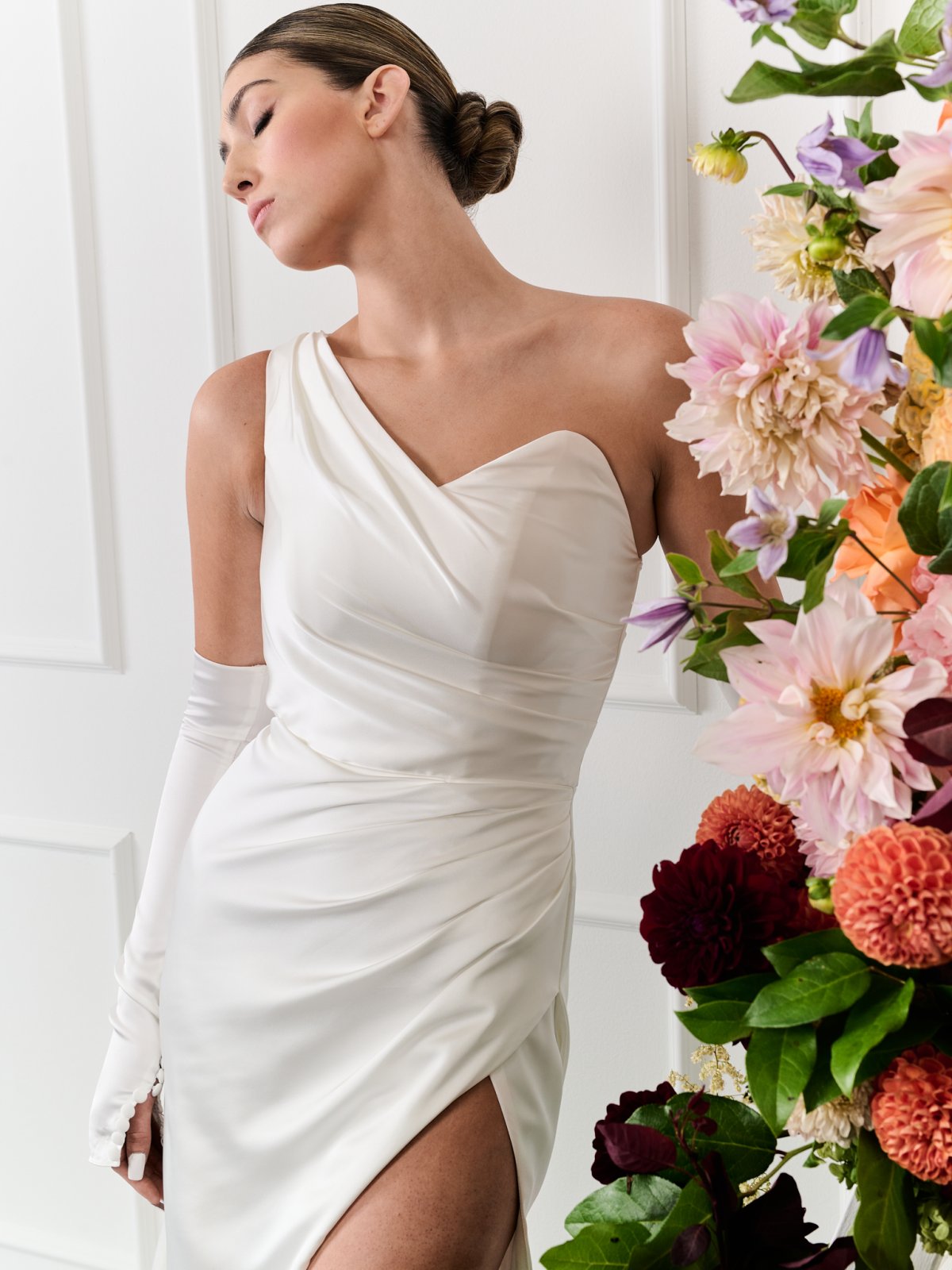
The most exquisite wedding gown is a structural masterpiece that begins long before the first yard of silk is cut. For brides seeking custom wedding dresses in Los Angeles, the journey often starts with aesthetic inspiration, but the true luxury of bespoke design lies in the technical precision hidden beneath the surface. It’s natural to feel a sense of hesitation when looking at a hand-drawn sketch and wondering if it can truly translate into a flawless fit. At Guillermo Pharis Bridal, we understand that many brides find themselves caught between the convenience of made-to-order styles and the allure of a one-of-a-kind creation, often unsure of how the transition from paper to silk actually unfolds.
This guide, brought to you by Guillermo Pharis Bridal, provides a professional roadmap to mastering the 10-month bespoke process with confidence, tailored specifically for the Los Angeles bride. You’ll gain expert insights into selecting prestigious materials like Mikado and silk duchess satin that define the 2026 bridal landscape. We’ll examine the critical role of internal architecture, specifically how expert corsetry and boning create a silhouette that feels as secure as it looks. From the initial design consultation to the final fitting, you’ll learn how to navigate every milestone of the artisanal journey with Guillermo Pharis Bridal, ensuring your gown is a perfect reflection of your personal style and the epitome of Southern California elegance.
Key Takeaways
- Distinguish between bespoke and made-to-order gowns to set a realistic schedule, noting that a 10-month window is the industry standard for a fully custom design.
- Learn how to evaluate technical craftsmanship when searching for custom wedding dresses in Los Angeles by inspecting seam allowances and internal boning.
- Understand why an inner corset is a non-negotiable element for achieving a precise fit and reliable support throughout your wedding day.
- Identify the unique characteristics of luxury fabrics like Mikado and silk duchess satin to choose the right foundation for your gown’s silhouette.
- Discover why bringing your wedding shoes and specific undergarments to your initial appointment is vital for an accurate design conceptualization.
Understanding Custom Wedding Dresses in the Los Angeles Atelier Scene
Los Angeles has long been the epicenter of American fashion, but its bridal atelier scene offers something far more intimate than a Hollywood premiere. For the 2026 bride, the city serves as a sanctuary for those who reject the repetitive nature of mass-market retail. Choosing custom wedding dresses in Los Angeles means stepping away from the rack and into a space where fabric, form, and personal history converge. It’s a shift from being a consumer to becoming a collaborator. The modern aesthetic favors individuality over the fleeting trends found in digital mood boards. It prioritizes the artisanal over the industrial. Quality is paramount.
The value of a designer-led experience lies in the rejection of the generic. Traditional retail often forces a bride to compromise on fit or fabric to suit a pre-existing silhouette. In an atelier, the process is inverted. The gown is built around the individual. This approach ensures that every seam and every layer of silk serves a purpose. It’s an investment in craftsmanship that resonates far beyond the wedding day. For those balancing their time between the coasts, the expertise found in Denver, Colorado, and New York City custom-made gowns reflects this same commitment to excellence and high-fashion authority.
Bespoke vs. Made-to-Order: Which Path is Yours?
The distinction between these paths is defined primarily by the level of pattern customization and the production calendar. A fully custom-made gown requires a disciplined 10-month timeline. This window allows for the creation of a unique pattern, multiple fittings, and the meticulous application of hand-sewn details like Chantilly lace or intricate appliqué. In contrast, made-to-order designer collections typically follow a 4-6 month schedule. These gowns are built to standard sizes based on an existing design, though they still offer a higher degree of quality than off-the-rack options. Your wedding date is the ultimate architect of this decision. Start early to ensure the internal architecture of the gown is never rushed.
The Role of the Visionary Designer
A true atelier experience is rooted in the philosophy of Haute couture, where the designer acts as both an artist and a technical guide. This isn’t about chasing clichés; it’s about understanding how a heavy Mikado or a fluid silk duchess satin will behave on the body. You aren’t just looking for a sketch. You’re looking for a portfolio that demonstrates a mastery of internal corsetry and precise seam allowances. A visionary designer translates your aesthetic preferences into a wearable reality that respects the laws of tailoring. This partnership ensures that your gown isn’t just beautiful in a photo, but functional and comfortable throughout the day. It’s a sophisticated dialogue between your vision and the designer’s expertise.
How to Evaluate a Designer’s Technical Craftsmanship
The allure of custom wedding dresses in Los Angeles often begins with a captivating silhouette, but true quality is revealed in the technical details hidden from plain view. A gown’s longevity and comfort depend entirely on its internal construction. When you visit an atelier, don’t just look at the exterior. Turn the sample gowns inside out. High-end craftsmanship is defined by clean finishes and generous seam allowances. These extra margins of fabric aren’t just a sign of luxury; they’re functional requirements that allow for future precision tailoring. Without them, even the most beautiful design can become impossible to adjust as your wedding day approaches.
The Anatomy of a Luxury Gown
A non-negotiable element of any bespoke design is the inner corset. Unlike mass-produced garments that rely on external fasteners or thin elastic, a luxury gown uses an internal structure to distribute weight and provide superior support. This architecture ensures the dress stays perfectly in place without the need for constant adjustment. The role of boning is equally critical. Professional designers use flexible, high-quality boning to create a secure silhouette that moves with you rather than against you. Whether you’re opting for a structured Mikado ballgown or a sleek column dress, this internal framework is what prevents the fabric from collapsing or wrinkling during movement.
Guillermo Pharis Bridal prioritizes this internal architecture in every piece, ensuring that the visual elegance is matched by technical integrity. During boutique appointments, you can witness these technical standards firsthand and discuss how internal corsetry can be tailored to your specific needs.
Identifying Artisanal Details
Artisanal excellence is most visible in the application of delicate textures. When evaluating a gown, look closely at the lace and embroidery. High-quality appliqué is always hand-placed and hand-stitched, allowing the pattern to flow seamlessly across seams. This creates a cohesive look that machine-stitching simply can’t replicate. Chantilly lace, known for its fine ground and abundant detail, should feel soft and lightweight to the touch. Evaluating the weight and drape of luxury fabrics is the first step in identifying a superior garment. A well-constructed gown will feel substantial but balanced, reflecting a deep understanding of how different textiles behave on the body. These details distinguish a visionary creation from a standard retail product.
The Step-by-Step Process: Bringing a Bespoke Vision to Life
The journey toward custom wedding dresses in Los Angeles is a methodical evolution of style. It requires a disciplined commitment to time. For a fully bespoke gown, the 10-month timeline ensures that every technical phase is executed without compromise. This period allows the designer to move beyond surface-level aesthetics to address the complex internal architecture required for a couture fit. Each milestone in the process serves to bridge the gap between a creative concept and a wearable masterpiece.
The Consultation and Sketching Phase
The initial meeting is a dialogue of discovery. You’ll share your non-negotiables, from neckline preferences to desired mobility. In 2026, we see a distinct return to structured elegance, often featuring a basque waist or a sophisticated dropped waist. These silhouettes demand precise pattern work to ensure the proportions are balanced perfectly for your frame. During this phase, you will select your primary fabric from a curated selection of designer swatches. It’s a tactile experience where you can feel the weight of different weaves and see how they catch the light. The resulting sketch becomes the technical blueprint for everything that follows.
From Mock-up to Final Silk Fitting
Before a single yard of expensive material is cut, a mock-up is created. This muslin or cotton toile fitting is perhaps the most critical step in the bespoke journey. It allows the designer to refine the fit on your actual form, adjusting the placement of boning and the tension of the inner corset. This prototype serves as the physical proof of the design. It’s the moment where we resolve any technical challenges before moving into the final luxury textiles. This phase eliminates the anxiety of the unknown, giving you a clear vision of how the finished gown will behave on your body.
Once the pattern is perfected, the transition to the final fabrics begins. Whether at the Los Angeles studio or our NYC atelier, final fittings focus on the fine-tuning of the silhouette. We finalize the bustle, ensuring the transition from the ceremony to the reception is seamless and elegant. Mobility checks are essential during these closing stages. You must be able to sit, walk, and dance with effortless grace. These final adjustments ensure that the gown doesn’t just look perfect on a mannequin but feels like a second skin as you move through your wedding day.
How to Select the Ideal Luxury Fabrics for Your Design
The selection of textiles is the most tactile decision in the design process. It transforms a technical sketch into a sensory reality. For those seeking custom wedding dresses in Los Angeles, the choice of fabric must align with both the architectural vision of the gown and the logistical realities of the 10-month production timeline. While the inner corset provides the foundation, the outer layer defines the light reflection, drape, and movement. Choosing the wrong weight can compromise even the most precise pattern, making fabric selection a critical milestone in your designer-led experience.
Matching Fabric to Silhouette
Specific silhouettes demand specific textile properties to maintain their integrity. Mikado has become the royal standard for architectural gowns due to its unique grain and substantial weight. It’s essential for achieving a crisp, dropped waist or a sharp basque waist, as it holds its shape without collapsing under its own gravity. In contrast, silk duchess satin offers a timeless, high-luster finish that excels in fluid, bias-cut designs. This fabric moves with a liquid-like grace, making it ideal for brides who prioritize a shimmering, romantic aesthetic. You can explore these textures and how they interact with light by viewing the Fall/Winter 2026 Collection for fabric inspiration.
The Nuance of Texture and Weight
Texture adds a layer of narrative to your design. Chantilly lace is prized for its delicate ground and ethereal feel, providing a soft romanticism that doesn’t add bulk to the silhouette. If your vision involves more dimension, a heavy corded lace or a custom 3D appliqué might be more appropriate. It’s important to understand that fabric weight directly impacts your construction schedule. Heavier, more intricate textiles often require more intensive hand-stitching and careful pattern placement, which must be factored into your 10-month journey.
The Los Angeles climate also plays a decisive role in your selection. A summer wedding at a Malibu estate requires breathable silk blends or lighter jacquards to ensure comfort during outdoor ceremonies. Conversely, a winter event in the city allows for the substantial warmth and structure of double-faced satin. During your consultation, we’ll examine these swatches against your venue’s atmosphere to ensure your fabric is both beautiful and functional. To begin selecting your materials and defining your silhouette, you may schedule a private design consultation at our studio.
Preparing for Your Custom Bridal Appointment
The transition from a digital mood board to a physical reality begins in the atelier. Preparing for a designer-led consultation is a departure from the typical retail experience. It requires a focus on technical details that will influence the internal architecture of your gown. When exploring options for custom wedding dresses in Los Angeles, your initial appointment sets the foundation for the entire 10-month construction process. Arriving prepared ensures that the visionary dialogue between you and the designer remains focused on craftsmanship rather than logistical hurdles. Quality is the priority. Every detail matters.
The Logistics of a Successful Consultation
The technical success of an initial sketch depends on accurate proportions. Bringing the exact heel height you intend to wear is critical. A few inches can dramatically alter the line of a basque waist or the drape of a Mikado skirt. Proportions must be perfect from the start. Similarly, undergarments play a silent but vital role. Opt for seamless, neutral pieces that won’t interfere with the pinning of a mock-up or the draping of luxury silk swatches. These elements allow the designer to see the true silhouette without distraction. For a comprehensive checklist on what to bring, you can view the FAQ regarding appointment preparation.
Managing your support circle is equally important for a productive session. A custom consultation is an intimate, creative process. It’s best to bring a small group of trusted individuals who understand your aesthetic goals. Too many opinions can dilute the artisanal vision and complicate the decision-making process. This is a collaborative design session, not a traditional shopping trip. You are here to build a garment from the ground up. Focus on the vision.
Committing to the Bespoke Process
Choosing the bespoke path is a commitment to a standard of excellence that mass retail cannot provide. It marks an emotional shift from being a spectator to being a creator. You aren’t just selecting a dress; you’re commissioning a work of art. This requires patience and trust in the 10-month timeline that defines the highest tier of custom wedding dresses in Los Angeles. The result is a gown that possesses a level of individuality and technical integrity unmatched by made-to-order alternatives.
The shift from browsing inspiration to creating a tangible garment is a significant milestone. It’s the moment where abstract ideas meet the reality of seam allowances and boning. Trusting the designer’s expertise during this transition is essential. They will guide you on how a specific textile, like silk duchess satin, will interact with your chosen silhouette. This expert guidance ensures the final product isn’t just a copy of a photograph, but a unique piece tailored to your movement. To begin this transformation, you can request an appointment for Los Angeles or Denver and start the conceptualization of your 2026-2027 design. Brides based in Colorado will find that working with independent wedding dress designers in Denver offers the same departure from mass-market retail, placing the creative process firmly in the hands of an artisan who builds each gown around the individual. Those who wish to explore the full landscape of luxury studios in the region can also consult our comprehensive guide to Denver bridal shops to identify ateliers that share this commitment to artisanal excellence and bespoke construction.
Defining Your Bespoke Bridal Legacy
The path to a one-of-a-kind gown is a deliberate transition from inspiration to artisanal reality. By prioritizing a 10-month timeline, you ensure that the internal architecture of your garment, from the precision of the inner corset to the selection of Mikado or Chantilly lace, receives the attention it deserves. This methodical approach distinguishes the most exceptional custom wedding dresses in Los Angeles, offering a fit that is as technically sound as it is aesthetically profound.
As you look toward the 2026-2027 season, remember that a visionary designer serves as both your technical expert and creative partner. Whether you’re finalizing a basque waist silhouette or refining the drape of silk duchess satin, the process is a celebration of your individuality. We invite you to take the first step in this collaborative experience. Request a Private Design Consultation at our Boutique to begin crafting a gown tailored to your unique measurements and personal style. We look forward to bringing your vision to life with the highest standards of couture craftsmanship.
Frequently Asked Questions
How far in advance should I start the custom wedding dress process in Los Angeles?
You should begin the search for custom wedding dresses in Los Angeles at least 10 months before your wedding date. This standard timeline ensures sufficient time for the conceptualization, mock-up phase, and the meticulous hand-stitching required for a luxury gown. Starting early prevents rushed decisions and allows the internal architecture of your design to be perfected without compromise.
What is the difference between bespoke and made-to-order gowns?
Bespoke gowns are created from a unique pattern drafted specifically for your measurements, requiring a dedicated 10-month production window. Made-to-order gowns use existing designer patterns produced in standard sizes, typically following a 4-6 month timeline. While both offer high quality, bespoke allows for total creative control over every detail from the initial sketch to the final fabric selection.
How many fittings are typically required for a custom wedding dress?
Most brides will attend three to five fittings during the artisanal design journey. The process begins with a cotton toile mock-up to refine the fit and internal structure, followed by one or two silk fittings to adjust the drape and placement of details like appliqué. A final fitting is held closer to the wedding date to ensure the bustle and mobility are flawless.
Can I incorporate family heirloom lace into a new custom design?
Artisanal studios can often integrate heirloom lace into a modern design, provided the original material is in stable condition. This lace can be carefully removed and hand-placed as a delicate appliqué or used to trim the veil or bodice. It adds a deeply personal narrative to the craftsmanship of a new gown while honoring your family traditions with technical precision.
What fabrics are best for a summer wedding in Southern California?
Lightweight silk blends and fine Chantilly lace are ideal choices for the warm Southern California climate. These materials offer breathability while maintaining a sophisticated aesthetic for outdoor ceremonies in Los Angeles or Malibu. If you prefer structure, a lighter-weight Mikado or silk organza can provide an architectural look without the excessive heat of heavier, double-faced satins.
Do I need to have my shoes before my first custom bridal fitting?
You must have your wedding shoes or a pair with the exact heel height before your first fitting. The height of your heel dictates the hemline and the overall balance of the silhouette, especially for gowns with a basque waist or dropped waist. Accurate measurements and proportions are impossible to achieve without the final footwear in place from the start of the process.
Is an inner corset necessary for all custom gown silhouettes?
An inner corset is highly recommended for most silhouettes to provide superior support and a secure, precise fit. This internal structure uses flexible boning to distribute the weight of the gown, ensuring it stays perfectly in place throughout the celebration. It allows the exterior fabric to drape smoothly without the need for restrictive external fasteners or constant adjustments during movement.
What happens if I lose or gain weight during the 10-month custom timeline?
Designers include generous seam allowances in custom wedding dresses in Los Angeles to accommodate natural body changes. The fitting schedule is specifically designed to address these fluctuations, with the most precise adjustments made during the final silk fitting. This technical flexibility ensures your gown fits perfectly on your wedding day regardless of minor changes in your measurements during the production phase.