
Custom Wedding Dressmakers: A Sophisticated Checklist for the Bespoke Bride
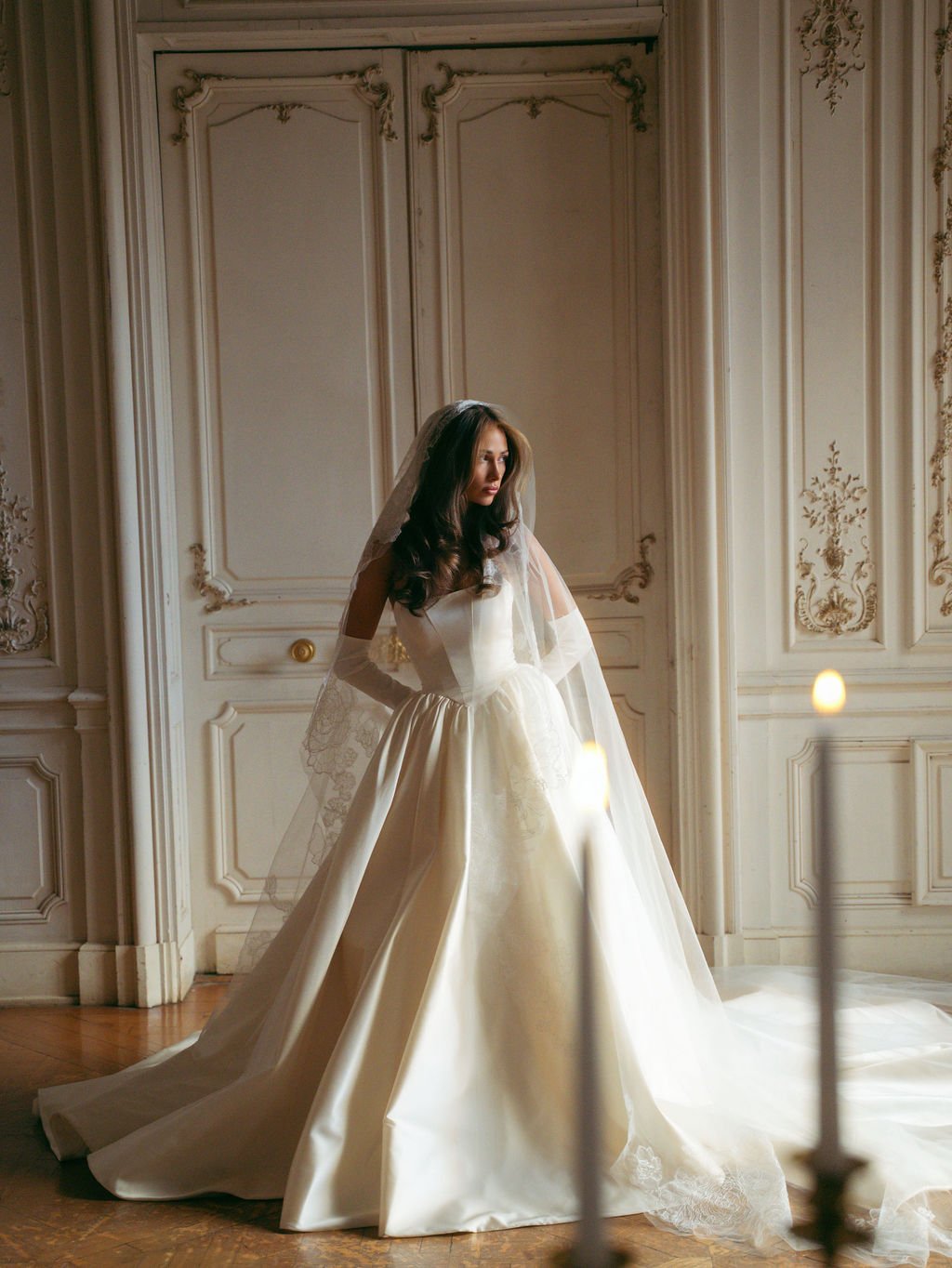
A custom wedding gown is far more than a beautiful sketch; it’s a complex architectural feat that relies on invisible internal structures to achieve a flawless fit. You likely understand that a bespoke garment should feel like a second skin, yet the fear of a “homemade” or unpolished result often lingers when you begin researching custom wedding dressmakers. This uncertainty is natural. The difference between a garment that merely fits and one that transforms your silhouette lies in the technical precision of the artisan.
This guide provides a sophisticated checklist to help you evaluate technical mastery and fabric quality with the eye of an expert. We’ll explore the nuances of luxury materials like Mikado and silk duchess satin, ensuring you can distinguish between high-end textiles and lesser alternatives. You’ll also learn why a 10-month bespoke timeline is the industry standard for a meticulous sketch-to-production process. By focusing on internal boning, seam allowances, and the artistry of the inner corset, you can ensure your collaborative design experience is as refined as the gown itself.
Key Takeaways
- Understand the technical distinction between a visionary bridal designer and a standard seamstress to ensure your gown is a work of art rather than a simple garment.
- Learn to evaluate the internal architecture of a gown by inspecting the quality of the inner corset and the precision of professional boning.
- Discover why leading custom wedding dressmakers require a 10-month timeline to move seamlessly from your initial visionary sketch to final production.
- Gain expert knowledge on selecting luxury materials, such as Mikado and silk duchess satin, that provide the structure and luster required for high-end couture.
- Identify the essential questions for your portfolio review to verify a designer’s technical consistency and ability to execute your specific aesthetic vision.
The Distinction of Professional Custom Wedding Dressmakers
The journey to a custom gown begins with the understanding that not all needles are held by the same hands. While an alteration seamstress focuses on adjusting an existing garment, professional custom wedding dressmakers are visionary artisans who build a masterpiece from the ground up. This distinction is vital for the bride who seeks more than just a fit; she seeks a narrative told through fabric and form. In a dedicated design studio, fashion is treated as art. It’s a place where individuality isn’t just a buzzword, but the blueprint for every stitch and seam.
Artisanal vs. Mass-Market Customization
True bespoke artistry is frequently confused with “made-to-measure” services found in traditional retail. In a mass-market setting, made-to-measure usually means taking a pre-existing pattern and tweaking the dimensions to match your measurements. While this offers a better fit than off-the-rack, it lacks the architectural integrity of a gown designed specifically for your unique frame. It’s the difference between a modified template and a singular creation.
Professional custom wedding dressmakers prioritize the internal structure of the gown from the very first sketch. This process doesn’t rely on templates. Instead, it focuses on technical elements like the placement of the inner corset and the density of the boning. These components ensure the gown supports itself, allowing the outer layers of Mikado or silk duchess satin to drape with effortless elegance. By moving directly from a visionary sketch to production, the artisan maintains total control over the garment’s soul without the need for intermediate cotton mock-ups.
The Designer-Bride Collaboration
Choosing a bespoke path means entering a partnership with a seasoned expert who possesses a deep understanding of luxury and style. This collaboration is about more than choosing a neckline; it’s about establishing a shared aesthetic language. You aren’t just a client; you’re a collaborator in a technical and creative process that spans 10 months. This timeframe is essential for a methodical approach that allows the sense of luxury to be absorbed into every detail.
This period allows for the meticulous selection of materials, from the delicate patterns of Chantilly lace to the weight of a heavy silk. It’s a journey where your personal style is translated into one-of-a-kind details that mass production simply cannot replicate. For those ready to explore this path, understanding the artisanal custom process is the first step toward a gown that serves as a legacy piece. Whether in Denver or New York City, the experience is defined by a commitment to excellence and a refusal to settle for the ordinary.
Technical Checklist: Evaluating Construction and Fabric Mastery
The beauty of a bespoke gown is often found in what remains unseen. While the silhouette captures the eye, the technical construction provides the foundation for confidence and comfort. When interviewing custom wedding dressmakers, your evaluation should move past the surface aesthetic to the structural integrity of the garment. A professionally constructed gown feels substantial yet effortless. It’s an architectural feat that balances weight and movement through expert tailoring.
The Architecture of the Gown
An inner corset is the hallmark of high-end bridal design. Unlike mass-produced gowns that rely on thin, decorative boning, a bespoke garment uses a reinforced internal structure to sculpt the body. This provides necessary support, ensuring the dress stays in place without constant adjustment throughout the day. A basque waist is another sophisticated element to look for; it creates a continuous, elongated line that flatters the torso with architectural precision. Experienced custom wedding dressmakers manage these complex structural elements to ensure the gown fits like a second skin. If you are interested in seeing these structural details in person, you might consider scheduling a private viewing at a professional studio.
Selecting Luxury Textiles
Fabric choice is the most significant factor in both the cost and the final appearance of your gown. High-register textiles like Mikado and silk duchess satin possess a natural luster and a structured drape that synthetic polyester simply cannot replicate. You can feel the difference in the “hand” of the fabric; silk feels cool and substantial, while synthetics often feel static and thin. These materials should be chosen to complement both the design and the venue, ensuring you are comfortable in your environment.
- Mikado: Known for its heavy weight and subtle sheen, it’s perfect for creating clean, architectural shapes.
- Chantilly Lace: This delicate, fine lace requires expert hand-placement to avoid visible seams or disrupted patterns.
- Silk Duchess Satin: It offers a rich, pearlescent glow and holds its shape beautifully for formal ceremonies.
Beyond the base material, evaluate the precision of hand-placed details. High-end couture tailoring is evident in how appliqué is integrated into the design. The lace should appear to grow from the fabric rather than being layered on top without thought. Check the seam allowance as well; generous allowances are a sign of quality. They provide the flexibility required for precise final adjustments during the production phase, ensuring the garment remains a perfect fit even as your body naturally fluctuates.
The 10-Month Timeline: A Checklist for the Bespoke Process
Time is the silent partner in the creation of a bespoke gown. While the modern world often demands immediate results, professional custom wedding dressmakers operate on a cycle that honors the meticulous nature of couture. This 10-month window is not a suggestion; it’s a structural necessity that allows for the sourcing of rare materials and the precise execution of internal architecture. A rushed timeline compromises the integrity of the garment. By following a methodical schedule, you ensure that every detail, from the inner corset to the final hem, is handled with composure and expertise.
- Month 10: The process begins with the initial consultation and the creation of a visionary sketch. This is where your personal style and the designer’s expertise converge to define the gown’s silhouette and spirit.
- Months 7-9: During this phase, fabric selection is finalized. Whether you choose the architectural weight of Mikado or the pearlescent glow of silk duchess satin, these materials are sourced specifically for your commission. Technical measurements are also recorded with absolute precision.
- Months 4-6: This is the construction window. The visionary sketch is translated into a physical garment. Artisans focus on the internal structure, including the placement of boning and the assembly of the bodice.
- Months 1-3: The final fittings take place. It’s essential to have your bridal shoes and undergarments ready during these appointments to ensure the bustle and hemline are calibrated for perfect mobility.
From Sketch Directly to Production
A hallmark of a high-end atelier is the ability to move directly from the initial sketch into final production. This approach requires a level of technical mastery that leaves no room for error. Because the process bypasses intermediate mock-ups, the initial measurement phase is incredibly rigorous. It’s a testament to the trust between the designer and the bride. You can feel confident that the architectural integrity discussed in previous sections is being built into the very first cut of the luxury fabric. This efficiency is only possible when working with custom wedding dressmakers who possess a deep understanding of garment physics and textile behavior.
Managing Expectations and Deadlines
Adhering to a strict timeline prevents the frantic energy often associated with mass-market retail. It allows the creative process to remain an inspired and celebratory experience. For those seeking this level of dedication in Colorado, The Bespoke Journey at Guillermo Pharis Bridal provides a clear roadmap for what to expect. Scheduling your fittings well in advance of your wedding date ensures that the final weeks before your ceremony are spent in a state of refined confidence rather than stress. Quality takes time, and the result is a gown that fits like a second skin.
The Collaboration Checklist: Aligning Your Vision with an Artisan
Selecting custom wedding dressmakers is a choice that defines your entire bridal experience. It’s a 10-month creative partnership that requires a shared aesthetic language. While technical mastery is a prerequisite, the ability to communicate is the bridge between a visionary sketch and a gown that reflects your personal style. You aren’t just looking for a vendor; you’re identifying an artisan who will interpret your inspiration through the lens of garment physics and couture tradition. This relationship thrives on transparency and a mutual respect for the craft.
A thorough portfolio review is your first step in assessing this alignment. Look for versatility and, more importantly, technical consistency. Does every gown in their collection possess the same refined finish, regardless of the silhouette? Pay close attention to how they handle diverse fabrics. A designer who can master the architectural rigidity of Mikado as skillfully as the fluid drape of silk duchess satin demonstrates a deep understanding of textile behavior. The showroom atmosphere should also reflect this level of care. A polished, professional environment suggests a disciplined approach to the 10-month production window.
Questions for Your Custom Dressmaker
During your initial consultation, ask specific questions that reveal the artisan’s technical philosophy. Inquire about their experience with high-register materials like silk Mikado or Chantilly lace. You should also discuss their approach to internal support. A designer who speaks passionately about the placement of the inner corset and the precision of the boning is one who prioritizes your comfort and confidence. Ask how they maintain the integrity of the design during the transition from sketch to production. This dialogue ensures you are both working toward the same aesthetic goal.
Identifying a Visionary Partner
A true visionary partner respects the traditions of bridal couture while embracing modern innovation. They won’t simply be a “yes-man” to every suggestion; instead, they provide expert guidance on what is structurally achievable and aesthetically balanced. This integrity is vital for a stress-free experience. If a particular detail compromises the mobility or the silhouette of the gown, an experienced designer will offer a sophisticated alternative that preserves your vision. This level of honesty is what distinguishes a high-end atelier from a standard service.
Your 2026 wedding vision deserves a partner who understands the gravity of the occasion. To begin this collaborative process and see how technical expertise meets artistic inspiration, you can book a private consultation at one of our showrooms. Ensuring your aesthetic and technical expectations are aligned from the start is the best way to guarantee a gown that fits like a second skin and feels like a work of art.
Designing Your Legacy: The Guillermo Pharis Custom Experience
Guillermo Pharis Bridal operates as a visionary atelier where the intersection of artistic vision and personal style is celebrated. As premier custom wedding dressmakers, we treat every commission as a legacy piece. Our approach is defined by a passion for detail and a commitment to a high standard of excellence that sets our work apart from conventional retail. Whether you visit our studio in Denver or New York City, you’ll find an environment that is authoritative yet deeply attentive. It’s a space where fashion is truly treated as a form of art.
Exploring the 2026 New Collection serves as an excellent starting point for your custom inspiration. These designs showcase our signature aesthetic, providing a baseline from which we can collaborate to create your singular gown. Each piece in the collection highlights the technical mastery we bring to the bespoke process, from the placement of Chantilly lace to the sculptural drape of the skirts.
The Denver and New York City Showrooms
Experiencing the luxury of a private, designer-led appointment is essential for the bespoke bride. In our showrooms, you have direct access to a curated selection of world-class fabrics, including structured Mikado and luminous silk duchess satin. These consultations aren’t mere sales meetings; they’re the foundation of your 10-month bespoke journey. You’ll have the opportunity to discuss your vision in a poised, artisanal atmosphere that respects the gravity of your wedding day. To begin this process, you can schedule your Boutique Appointments online to ensure dedicated time with our design team.
Commitment to Craftsmanship
Our dedication to the fine details of inner corsetry and hand-appliqué ensures that each gown is a technical masterpiece. We don’t settle for unpolished results. Instead, we focus on the architectural integrity provided by professional boning and precise seam allowances. The 10-month custom process allows us to move from sketch to production with the methodical care your wedding deserves. This timeline ensures that every element of the internal structure is perfectly calibrated to your silhouette.
It’s important to note that our alteration services are exclusively available for brides who’ve purchased their gowns at a Guillermo Pharis Bridal showroom. These alterations require a 3-month timeline and an individual assessment to ensure perfect mobility and fit. By maintaining this exclusivity, we ensure that every gown leaving our atelier meets our rigorous standards of excellence. If you’re ready to define your bridal legacy, we invite you to submit a custom gown inquiry to begin your personalized design experience today.
Defining Your Bespoke Vision
Choosing a bespoke path is a commitment to individuality and technical excellence. By prioritizing internal architecture like the inner corset and selecting high-register fabrics such as Mikado or silk duchess satin, you ensure your gown is a singular work of art. The 10-month timeline is a vital component of this process. It provides the necessary window for a meticulous sketch-to-production journey. This methodical pace allows for the precision required in luxury tailoring, ensuring that every seam and piece of boning is placed with expert intent. Our showrooms in Denver and New York City offer a dedicated space for this collaborative and inspired journey. Working with professional custom wedding dressmakers transforms a visionary idea into a technical reality that fits like a second skin. It’s a celebratory experience rooted in the traditions of high-fashion couture and personal storytelling. We’re ready to help you navigate these technical choices with refined confidence and artisanal expertise.
Request a Custom Gown Consultation with Guillermo Pharis to begin your personal design process. We look forward to seeing your vision take shape in our atelier.
Frequently Asked Questions
How long does the custom wedding dress process take?
A custom gown requires a 10-month lead time to ensure every technical detail is executed with precision. This window allows for the initial visionary sketch, the sourcing of luxury textiles, and the complex construction of the inner corset. By respecting this duration, you allow the artisan to focus on architectural integrity rather than speed, resulting in a garment that fits like a second skin.
What is the difference between a custom dressmaker and a tailor?
Professional custom wedding dressmakers are visionary artisans who build a unique gown from a sketch; a tailor or seamstress typically modifies an existing garment. The dressmaker focuses on the garment’s soul, managing everything from internal boning to fabric drape. This distinction is vital for brides seeking a singular aesthetic rather than a modified version of a mass-produced template.
How many fittings are required for a bespoke wedding gown?
You should expect approximately three to four fittings during the bespoke process. The initial sessions focus on technical measurements and the foundational structure of the bodice. Later appointments ensure the hemline and bustle are calibrated for your bridal shoes and mobility. This methodical approach guarantees that the final gown reflects your silhouette with absolute accuracy and grace.
Can I provide my own fabric to a custom dressmaker?
We do not accept outside fabrics because our design process relies on the known behavior of premium textiles like silk duchess satin and Mikado. Sourcing our own materials ensures the architectural integrity of the gown. By selecting from our curated collection of high-register fabrics, you guarantee that the drape and weight of the final garment align perfectly with the original visionary sketch.
Do I need to have a specific design in mind before the first consultation?
You do not need a finished design, as the first consultation is a collaborative session to establish your aesthetic language. Many brides find inspiration in our 2026 collection or bring images that reflect their personal style. The designer will then translate these ideas into a technical sketch, ensuring the silhouette and details like Chantilly lace or appliqué are balanced with your vision.
Are alterations included in the cost of a custom-made gown?
The cost of a bespoke gown includes the fittings and adjustments required during the 10-month production window to achieve a flawless fit. This is distinct from standard alterations on pre-made dresses. Because the gown is built to your exact measurements from the start, the fit is an integrated part of the construction phase rather than an afterthought performed on a finished garment.
What should I bring to my first custom gown appointment?
Bring inspiration images that reflect your preferred textures and silhouettes, along with any specific heirlooms you wish to incorporate. While you don’t need your final bridal shoes for the first sketch session, they will be essential for later fittings. The primary goal of the first appointment is to align your vision with the artisan’s technical expertise in a relaxed, professional environment.
Is it possible to rush a custom wedding dress order?
True custom wedding dressmakers cannot rush the 10-month bespoke timeline without compromising the quality of the construction. Meticulous hand-work and internal corsetry require a set amount of hours that cannot be condensed. If your wedding is sooner, we suggest exploring our made-to-order gowns, which require four to six months, or selecting a sample sale dress for a more immediate solution.