
Satin Bridal Gowns: The 2026 Artisan’s Guide to Luminous Luxury
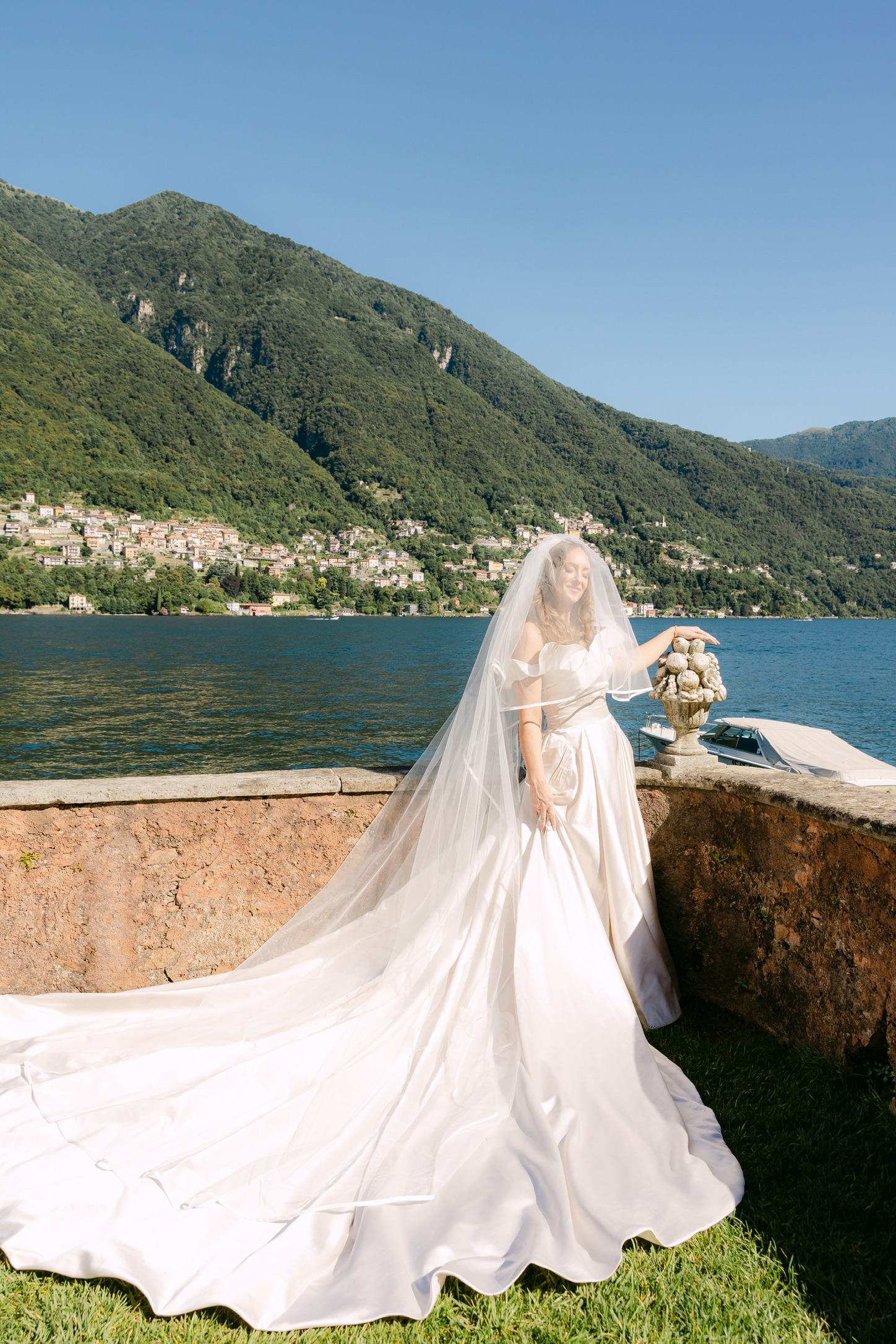
Satin is not merely a fabric; it is a sophisticated weave that captures and sculpts light with architectural precision. While 2026 bridal trends show a 39% rise in the use of this luminescent material, many brides still fear the potential for unrefined shine or persistent wrinkling. You want a look that feels like high-fashion art, not a common retail find. It’s natural to feel overwhelmed by the subtle differences between a structured Mikado and a liquid silk, especially when you seek a gown that reflects your personal elegance. Choosing the right satin bridal gowns requires an eye for weight and drape that only an artisanal perspective can provide.
This guide serves as your masterclass in luminous luxury. You’ll discover how to identify high-quality weaves that resist the flat sheen of mass-market blends and learn which textures best complement your unique silhouette. From the secrets of professional garment care to the design nuances of the 2026 collection, we’ll ensure your wedding day look remains flawless. Let’s explore the craftsmanship behind the glow.
Key Takeaways
- Distinguish between the structural integrity of a weave and the essence of a fiber to master the play of light.
- Discern your ideal aesthetic within the spectrum of satin bridal gowns by comparing regal Duchess satin with fluid Charmeuse.
- Select the ideal fabric weight for your silhouette. Use the sculptural power of Mikado for volume or mid-weight textures for contouring.
- Acquire professional techniques for maintaining a flawless finish. Learn expert methods for wrinkle management and static control.
- Explore how the bespoke process provides a curated selection of high-end fabrics tailored to your unique measurements.
Understanding the Allure of Satin Bridal Gowns
Satin is an experience of light. It’s the way a gown catches the soft flicker of candlelight or the brilliance of a morning sun. For many, satin bridal gowns represent the pinnacle of wedding elegance because they don’t just sit on the body; they interact with the environment. This luminosity creates what designers call the “bridal glow,” a psychological effect of radiance that enhances the wearer’s features. Technically, a Satin weave is defined by its unique structure, where four or more weft threads are covered by a single warp thread. This creates the signature lustrous surface and the contrasting dull back. It’s a method, not a material. This distinction is vital for any bride seeking true luxury.
In the 2026 New Collection, we see this weave evolving. We’re moving beyond the heavy, cumbersome silks of previous decades toward high-tech luxury blends that offer the same visual depth with enhanced performance. These materials allow for a level of precision that defines modern, high-fashion minimalism. While 2026 data shows that minimalist materials like satin now account for over 40% of total gown sales, the choice remains deeply personal. Satin remains the gold standard for this aesthetic. It’s unapologetic in its simplicity. It demands perfect tailoring. It’s the ultimate statement of confidence.
The Distinction Between Satin and Silk
A frequent misunderstanding in the atelier is the belief that silk and satin are the same. They’re not. Silk is the natural protein fiber harvested from cocoons, while satin is the specific pattern in which those fibers are woven. High-end designers often prioritize silk-base satins because they offer unparalleled breathability and a natural, fluid drape. However, the current landscape introduces synthetic luxury blends that provide significant advantages in wrinkle resistance. These modern textiles maintain the prestigious look of traditional silk while offering the structural stability required for a long day of celebration. It’s about choosing the right tool for the design.
Satin in the 2026 Bridal Landscape
The current season celebrates a shift toward “liquid” finishes and bold, architectural minimalism. We’re seeing a resurgence of dropped waists and clean, uninterrupted lines that require the weight and sheen only satin can provide. Within the context of custom-made gowns, satin acts as a pristine canvas. It’s the ideal foundation for bespoke embroidery or the creation of dramatic, sculptural folds that hold their shape. This year, the focus is on how the fabric moves. It’s about the intersection of artistry and engineering. Every fold is intentional. Every line is sharp.
The Designer’s Palette: Types of Satin Used in Luxury Bridal Design
Selecting the ideal fabric for a bespoke gown is an act of curation. Within the world of satin bridal gowns, the “palette” available to a designer is surprisingly vast, with each variation offering a distinct architectural weight and light-reflecting quality. The choice of weave dictates the gown’s soul. A heavy Duchess satin creates a sense of regal permanence, while a fluid Charmeuse suggests a modern, intimate elegance. Understanding these nuances allows a bride to align her aesthetic vision with the physical properties of the textile. This Guide to satin fabrics provides a technical foundation for these variations, but the true magic happens when the fabric meets the artisan’s hand.
- Duchess Satin: This is the quintessential choice for regal silhouettes. It possesses an exceptionally high thread count, resulting in a finish that oscillates between a deep matte and a subtle gloss. It’s heavy, structured, and holds its shape with unwavering confidence.
- Charmeuse: Often described as “liquid gold,” Charmeuse is lightweight and incredibly soft. It’s the preferred choice for slip dresses and sophisticated draping, as it clings gently to the body’s natural curves.
- Mikado: A specialized blend that has become a staple of modern luxury. It’s heavier than traditional silk satin and features a subtle, grainy texture. It doesn’t shine so much as it glows.
- Crepe-back Satin: A master of versatility. One side offers a lustrous satin finish, while the reverse features a pebbled crepe texture. This allows designers to play with contrasting matte and shine within a single garment.
The 2026 New Collection leans heavily into these distinctions to create gowns that feel both timeless and innovative. You might find yourself drawn to the crisp lines of a structured bodice or the ethereal sway of a lightweight train. Exploring our 2026 New Collection is an excellent way to see these textures in motion.
Duchess Satin vs. Mikado: Structural Differences
While both fabrics offer structure, they serve different masters. Duchess satin is prized for its smooth, pearlescent finish and traditional weight. It’s perfect for a classic ball gown in a cathedral setting. Mikado, however, is the darling of avant-garde design. Its unique stiffness allows for the creation of sharp, architectural folds and statement bows that would collapse in softer fabrics. If your venue is a modern art gallery or a sleek urban loft, Mikado provides the necessary edge. This structural quality also makes Mikado an exceptional choice for bridal gowns with off the shoulder sleeves, where the fabric’s inherent stiffness supports a secure, sculpted neckline without sacrificing elegance. Brides drawn to asymmetric hemlines will also find that Mikado and silk Duchess satin are the premier fabrics for high low wedding gowns, where the dramatic sweep of fabric demands the structural integrity only these heavier weaves can provide.
Modern Stretch Satins and Lightweight Blends
The 2026 bridal landscape sees a significant rise in stretch-infused luxury satins. These blends incorporate a small percentage of elastane, providing the body-contouring precision required for mermaid and fit-and-flare silhouettes. This innovation ensures that even the most structured satin bridal gowns remain comfortable for a full day of celebration. These lightweight blends accommodate the current trend toward ethereal movement, allowing a gown to float rather than drag. It’s a balance of traditional luxury and contemporary ease.
Matching Satin Textures to Your Bridal Silhouette
The silhouette of a gown is its blueprint, but the fabric is its soul. When designing satin bridal gowns, the artisan must consider how the specific weight of a weave supports the intended shape. A mismatch here leads to a gown that either collapses under its own weight or fails to capture the fluid movement of the bride. In the 2026 New Collection, we prioritize this precise alignment. Minimalist materials like satin now account for over 40% of total gown sales, yet their success relies entirely on structural compatibility. Choosing the right texture ensures the garment performs as a piece of wearable art.
- Ball Gowns: These require the sculptural stiffness of Mikado. This fabric creates dramatic volume and sharp, clean lines that hold their shape from the ceremony to the final dance.
- Mermaid and Trumpet: Mid-weight satins are essential here. They provide enough tension to contour the body while maintaining the flexibility needed for movement.
- A-Line: The traditional Duchess satin is the ideal partner for this shape. It offers a graceful, structured flow that flares away from the body without losing its regal composure.
- Slip Dresses: Only a bias-cut Charmeuse will suffice. This technique allows the fabric to drape like liquid, following the body’s natural lines with intimate precision.
The Architectural Ball Gown
Creating a modern ball gown is an exercise in engineering. By utilizing the inherent “internal structure” of heavier satins, we can achieve significant volume without the need for excessive, heavy petticoats. The History of satin fabric shows how weight was once a signifier of status. Today, it’s a tool for light manipulation. Satin pleats and deep architectural folds catch the light in broad, lustrous strokes, offering a stark and sophisticated contrast to the busy textures of lace. Large-scale features, such as oversized bows or structured peplums, become the focal points of our 2026 designs.
The Minimalist Sheath and Mermaid Fit
There’s a common myth that satin bridal gowns are unforgiving. This only holds true if the construction is lacking. In a high-end atelier, proper lining is the secret to a flawless finish. We use multiple layers of silk or specialized support fabrics to create a smooth foundation. The importance of the bias cut cannot be overstated. By cutting the fabric at a 45-degree angle to the grain, we unlock a natural elasticity. This allows the satin to skim the hips and waist, creating a “liquid gold” effect that moves with the bride rather than restricting her. It’s about confidence through craftsmanship.
The Practical Art of Wearing and Caring for Satin
The ethereal beauty of satin bridal gowns requires a disciplined approach to maintenance once the gown leaves the atelier. While previous sections explored the architectural brilliance of these garments, the reality of your wedding morning demands practical expertise. Satin is a sensitive medium. It records every touch, every drop of water, and every environmental shift. Mastering the care of this fabric is as much a part of the bridal journey as the initial design process. It’s about preserving the integrity of the “bridal glow” from the first photograph to the final dance.
One of the most guarded designer secrets involves the timing of the final press. We recommend professional pressing or steaming at least twenty-four hours before the ceremony. This allows the fibers to settle and the fabric to cool, which significantly reduces the likelihood of immediate re-wrinkling. For heavy Duchess satin, storage is equally critical. These gowns should be hung by their internal security loops rather than the shoulder straps to prevent the weight of the skirt from distorting the bodice or creating permanent horizontal creases.
Managing Static and Drape
Climate plays a decisive role in how satin behaves. In the high-altitude, dry air of Denver, static is a persistent adversary that can cause even the most expensive Charmeuse to cling ungracefully. This disrupts the intentional “liquid” movement of the gown. To combat this, we recommend specialized silk slips that act as a neutral barrier between the gown and the skin. Fabric static in relation to satin bridal gowns is the accumulation of electrical charges that causes the lustrous surface to adhere unnaturally to the body or underlayers. A light misting of anti-static spray on the lining, never the satin itself, can also preserve the garment’s fluid silhouette.
Professional Pressing and Steaming
DIY steaming is a significant risk for high-end silk satins. Household steamers often spit water, and on a lustrous satin surface, a single water droplet can leave a visible ring that is nearly impossible to remove without professional intervention. We advocate for artisanal preparation. If you must touch up a small area, always use a pressing cloth and a dry iron on a low setting. This protects the delicate weave from direct heat and prevents the “scorched” look that ruins the fabric’s natural sheen. To ensure your gown receives the meticulous attention it requires during the construction phase, we invite you to explore our Custom Made Gowns for a truly bespoke experience.
Undergarment selection is the final piece of the practical puzzle. Because satin is light-reflective, any seam, lace, or texture underneath will be magnified. Only seamless, laser-cut foundation pieces in a shade that matches your skin tone should be considered. For emergencies, keep a small kit containing silk pins and a clean, white silk cloth. If a water spot occurs, gently “feather” the edges with the silk cloth to prevent a hard line from forming as it dries. Preparation is the key to poise.
Creating Your Bespoke Satin Vision with Guillermo Pharis
Selecting satin bridal gowns from a standard retail environment often forces a bride to compromise on both the integrity of the fit and the quality of the weave. In our atelier, the journey is fundamentally different. Visionary designer Guillermo Pharis leads a creative process that treats fashion as a form of art. This bespoke advantage ensures that the fabric’s luminosity is matched by an impeccable, personal fit. From the first charcoal sketch to the final hand-finished hem, your gown evolves as a collaborative masterpiece. It’s a transition from a commercial transaction to an artisanal experience.
The personalized design process at our studio allows for a level of detail that off-the-rack options simply cannot provide. We understand that satin is a demanding medium. It requires a master’s touch to ensure that every seam is tensioned correctly and every panel is cut with the grain. By choosing the custom path, you’re not just selecting a style; you’re commissioning a work of art that is engineered specifically for your body. This level of dedication is what defines our presence in both Denver and NYC.
The Custom-Made Experience in Denver
Our Denver bridal studio serves as a destination for high-end fabric education. We believe that choosing the right material requires an intimate understanding of the wedding environment. A heavy Duchess satin might suit a grand cathedral, while a lighter, more fluid blend could be the perfect choice for a modern urban setting. Custom-made gowns solve the inherent challenges of satin, such as the way it highlights even the slightest discrepancy in tailoring. By crafting the garment to your exact measurements, we ensure the fabric drapes exactly as intended. It eliminates the puckering and pulling common in mass-produced items.
A Visionary Approach to Bridal Artistry
Guillermo Pharis approaches each design as a unique sculpture. The 2026 New Collection represents the pinnacle of this philosophy, blending architectural minimalism with traditional couture techniques to create the most refined satin bridal gowns of the season. We focus on the subtle details, such as the depth of a pleat or the tension of a hidden corset. These elements ensure the gown remains flawless throughout the celebration. When you choose a custom path, you’re participating in a heritage of craftsmanship that prioritizes quality over quantity. Experience the artistry of a custom satin gown at Guillermo Pharis Bridal.
The Path to Your Bespoke Masterpiece
Your journey toward the altar deserves a garment that reflects the gravity and romance of the occasion. We’ve explored how the structural integrity of Mikado and the liquid drape of Charmeuse define the modern aesthetic of satin bridal gowns. You now possess the knowledge to distinguish between a common retail weave and a high-end, artisanal textile. Beyond the fabric choice, you understand that professional care and precise tailoring are the true guardians of that coveted bridal glow. These elements transform a dress into a legacy, and for the rest of the bridal party, choosing quality occasion wear from Miss Runway Boutique ensures the entire wedding aesthetic remains cohesive and sophisticated.
Just as your gown is a testament to your personal style, your ceremony should be a reflection of your values. If you are hosting your celebration in Ireland, Rev. Brenda O’Grady Wedding Solemniser & Family Celebrant can provide a professional, legal solemnisation that honors the significance of your commitment.
At Guillermo Pharis Bridal, we treat every custom-made luxury gown as a unique sculpture. Our exclusive 2026 Bridal Collection showcases visionary designs that prioritize both high-fashion artistry and the personal story of the bride. Whether you’re navigating the dry air of Denver or the vibrant energy of NYC, our bespoke process ensures your vision is realized with uncompromising excellence. We invite you to begin this creative partnership with us. Book your bespoke design consultation at our Denver studio and step into a world of timeless luxury. Your perfect silhouette awaits.
Frequently Asked Questions
Do satin bridal gowns wrinkle easily during the wedding?
Yes, but the degree of wrinkling depends entirely on the fabric’s quality and fiber content. High-end satin bridal gowns crafted from silk or luxury blends possess a natural resilience that resists deep creasing. To maintain a pristine look, we recommend professional pressing twenty-four hours before the event. Avoid sitting for prolonged periods during transit to keep the skirt’s surface smooth and reflective.
Is a satin wedding dress too hot for a summer wedding?
Not necessarily, provided you select a natural silk-base satin for its inherent breathability. While heavy Duchess satin might feel substantial in midday heat, lightweight Charmeuse or silk blends allow for significant air circulation. If you’re planning a summer celebration, prioritize natural fibers over synthetic polyesters. These materials regulate body temperature more effectively, ensuring you remain composed and comfortable throughout the day.
What is the best type of satin for a structured ball gown?
Mikado is the premier choice for achieving the dramatic, architectural volume associated with luxury ball gowns. Its unique stiffness and subtle grain allow the skirt to hold its shape without relying on heavy, internal layers of tulle. Duchess satin is another excellent option, offering a high thread count and a regal weight that drapes with significant authority. Both fabrics provide the structural integrity required for large-scale bridal silhouettes.
Can satin wedding dresses be altered easily?
Yes, though satin demands a higher level of technical precision than lace or tulle. Because the weave is so tight and lustrous, every needle mark and seam is visible. It’s vital to work with an expert tailor who understands the nuances of the fabric’s grain. Bespoke construction often eliminates the need for complex alterations, as the gown is built to your exact measurements from the start.
How do I choose between a matte satin and a high-shine finish?
The choice depends on your desired level of luminosity and the lighting at your venue. High-shine finishes are breathtaking in evening ceremonies under candlelight, where they can capture and amplify every flicker. Matte satin, often featured in our 2026 New Collection, offers a more understated, pearlescent glow. This finish is particularly effective for outdoor or daytime weddings, providing a sophisticated aesthetic without overwhelming glare.
What undergarments work best under a satin bridal gown?
Seamless, laser-cut foundation pieces are essential for maintaining the uninterrupted lines of your gown. Because satin bridal gowns are light-reflective, any texture, lace, or visible seam from your undergarments will be magnified on the surface. Choose pieces that match your skin tone rather than the dress color. This prevents shadows from appearing under the fabric, ensuring the focus remains on the gown’s architectural beauty.
Is Mikado the same as satin?
Mikado is a specific, heavier variation of the satin weave rather than a different fabric entirely. It’s distinguished by its unique grain and a slightly more matte finish compared to traditional silk satins. Designers favor Mikado for its ability to create sharp, clean lines and sculptural elements. It offers the same luxurious glow as other satins but with the added benefit of significant structural stability.
How should I store my satin gown before the wedding day?
Store your gown in a breathable cotton garment bag in a cool, dry, and dark environment. Avoid plastic covers, as they can trap moisture and cause the delicate fibers to yellow over time. Always hang the dress by its internal security loops rather than the shoulder straps. This prevents the weight of the train from stretching the bodice or distorting the delicate seams before your wedding day.